Valve's Enduring Blueprint: From Half-Life's Revolution to Counter-Strike 2's Dominance
In the vast and ever-evolving landscape of video games, few companies have etched their name into the annals of history with the same profound impact and lasting legacy as Valve Corporation. For over two decades, Valve has not merely created games; it has sculpted genres, pushed technological boundaries, and fostered communities that continue to thrive. From the groundbreaking narrative of their debut title, Half-Life, to the refined competitive combat of Valve Counter-Strike 2, their journey is a testament to unwavering commitment to quality, innovation, and player experience.
Valve's influence extends far beyond individual titles, encompassing the revolutionary Steam platform and cutting-edge hardware. Yet, at its core, Valve remains a game developer, responsible for a catalog of masterpieces that have garnered critical acclaim, attracted millions of players, and redefined what interactive entertainment can be. This article explores that remarkable journey, tracing the lineage from scientific anomalies and silent protagonists to tactical firefights and global esports phenomena.
The Genesis: Half-Life and the Birth of a Legacy
The year 1998 marked a pivotal moment in gaming history with the release of Valve's debut title, Half-Life. Far from a humble first attempt, Half-Life exploded onto the scene, immediately distinguishing itself from its contemporaries. It didn't rely on cutscenes to tell its story; instead, players experienced the narrative directly through the eyes of theoretical physicist Gordon Freeman, immersed in a continuously unfolding, richly detailed world. This revolutionary approach to environmental storytelling, combined with a compelling plot and innovative enemy design, captivated audiences and critics alike.
The impact was undeniable. Half-Life secured over 50 "Game of the Year" awards, with PC Gamer famously hailing it as the "Best PC Game Ever." Its underlying technology, the GoldSrc engine (a heavily modified Quake engine), provided a robust foundation, allowing for complex level design, intricate puzzles, and fluid combat. This technical prowess, coupled with Valve's commitment to world-class gameplay, set an impossibly high bar for future titles and cemented Valve's reputation as a developer unwilling to compromise on vision or execution. It was this fertile ground that would soon birth another legend.
Forging Multiplayer Legends: The Rise of Counter-Strike and Beyond
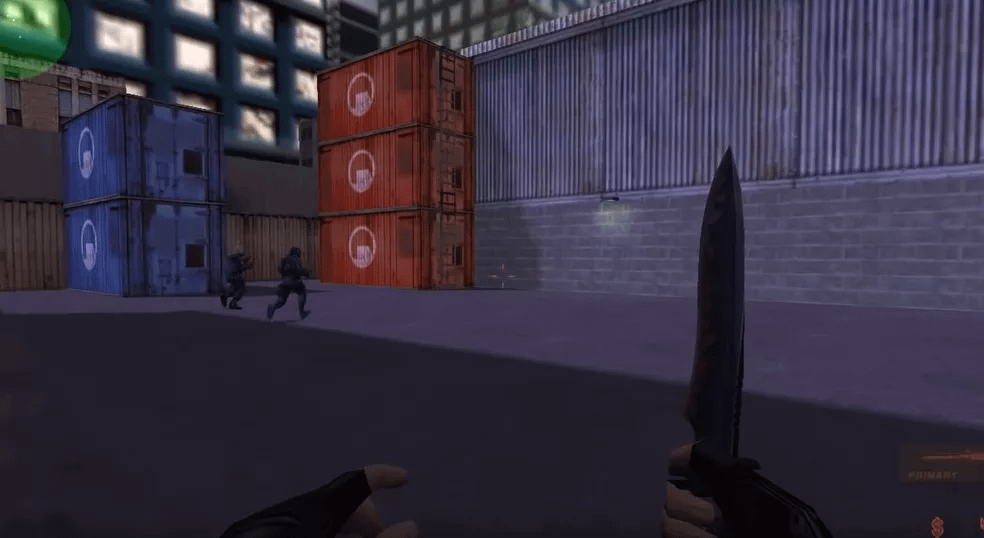
While Half-Life set new standards for single-player narrative, its robust engine and active modding community inadvertently paved the way for Valve's emergence as a multiplayer powerhouse. The most prominent example, of course, is Counter-Strike. What began in 1999 as a simple modification (mod) for Half-Life quickly grew into a global sensation. Its premise was elegant: a team of counter-terrorists against a team of terrorists in objective-based rounds. The raw, tactical gunplay, combined with strategic economic management, created an addictive and infinitely replayable experience.
Valve recognized the mod's immense potential, eventually acquiring its developers and releasing official standalone versions. This strategic move transformed Valve Counter-Strike from a community project into a cornerstone of competitive gaming. It birthed the concept of esports for many, captivating millions with its high-stakes, skill-intensive matches. The simple yet profound mechanics of Counter-Strike 2: Valve's Latest Genre-Defining Release and its predecessors fostered an incredibly dedicated player base and a vibrant ecosystem of professional tournaments.
But Valve's multiplayer genius didn't stop with Counter-Strike. They went on to release other genre-defining titles like Team Fortress 2, a vibrant, class-based shooter renowned for its unique art style and balanced gameplay, and Dota 2, a monumental free-to-play MOBA (Multiplayer Online Battle Arena) that commands one of the largest player bases and prize pools in esports. Each of these games, much like Valve Counter-Strike, demonstrated Valve's ability to identify core gameplay loops, refine them to perfection, and build communities that sustain them for decades.
Practical Tip for Aspiring Developers:
Counter-Strike's journey from mod to global phenomenon highlights the power of community involvement and iteration. Don't underestimate grassroots development; sometimes the most impactful ideas emerge from passionate players experimenting with existing frameworks.
Pushing Boundaries: Innovation, Engines, and Genre Reinvention
Valve's commitment to innovation extends deeply into their technological foundations. The groundbreaking success of Half-Life was eventually superseded by the advent of the Source engine, which powered the equally revolutionary Half-Life 2 in 2004. This new engine brought unprecedented levels of graphical fidelity, sophisticated physics simulation (a core component of its gameplay), and advanced artificial intelligence, once again setting new industry benchmarks. Half-Life 2 continued the narrative brilliance of its predecessor, earning widespread critical acclaim and further solidifying Valve's reputation.
The Source engine became the backbone for a series of titles that revitalized or even invented their genres:
- Portal and Portal 2: These games redefined puzzle-platforming with their ingenious portal gun mechanic, witty writing, and compelling narrative, proving that physics could be a storytelling device.
- Left 4 Dead and Left 4 Dead 2: These cooperative survival horror shooters introduced the "AI Director," a dynamic system that adjusted enemy placement, item drops, and environmental effects based on player performance, ensuring a unique experience with every playthrough.
Even years later, Valve continued to push the envelope with titles like Half-Life: Alyx (2020), a virtual reality masterpiece that demonstrated the immense potential of VR for narrative and interactive gameplay, earning accolades as a benchmark for the medium. This relentless pursuit of new experiences, combined with a willingness to experiment with emerging technologies, underscores Valve's unique approach to game development. Valve's Game Development: Behind Counter-Strike 2 & More is a testament to their iterative design philosophy and dedication to player feedback.
The Modern Era: Counter-Strike 2 and Valve's Future
The latest evolution in Valve's storied competitive legacy arrived with the release of Valve Counter-Strike 2 in 2023. Replacing the immensely popular Counter-Strike: Global Offensive, CS2 represents a significant leap forward, built on the more modern Source 2 engine. This upgrade brought substantial visual enhancements, volumetric and reactive smoke grenades that dynamically respond to player actions, and perhaps most importantly, "sub-tick" updates for more precise and responsive gameplay. These technical improvements aim to refine the core Counter-Strike experience, ensuring its continued relevance in a rapidly advancing gaming landscape.
The launch of CS2 reinforced Valve's commitment to its most enduring competitive franchise. It wasn't just a graphical update; it was a re-engineering designed to maintain the integrity of its competitive play while adapting to modern hardware and player expectations. As Valve continues to iterate on CS2 and its other live-service titles like Dota 2, they are also looking towards the future. While details remain scarce, the company has confirmed "some new games in the works," with a few announced and others remaining "top secret." This blend of perfecting existing titans and quietly cultivating future innovations is characteristic of Valve's long-term vision.
Actionable Advice for Players:
For players diving into Valve Counter-Strike 2, focus on mastering the new smoke mechanics. Understanding how they interact with bullets and explosions can give you a significant tactical advantage. Practice your aim and communication, as these fundamentals remain paramount even with new technological enhancements.
Conclusion
From the revolutionary single-player experience of Half-Life to the enduring global phenomenon of Valve Counter-Strike 2, Valve Corporation's gaming legacy is unparalleled. They are a company that not only creates games but defines genres, pushes technological boundaries, and fosters vibrant communities. Their titles, built on innovative engines and driven by a relentless pursuit of world-class gameplay, have consistently revitalized and even invented genres. As Valve continues to refine its established franchises and subtly hint at future endeavors, one thing remains clear: their commitment to delivering engaging, high-quality, and deeply influential gaming experiences is an integral part of their DNA, ensuring their indelible mark on the industry for years to come.